table of contents
The nabatas in history
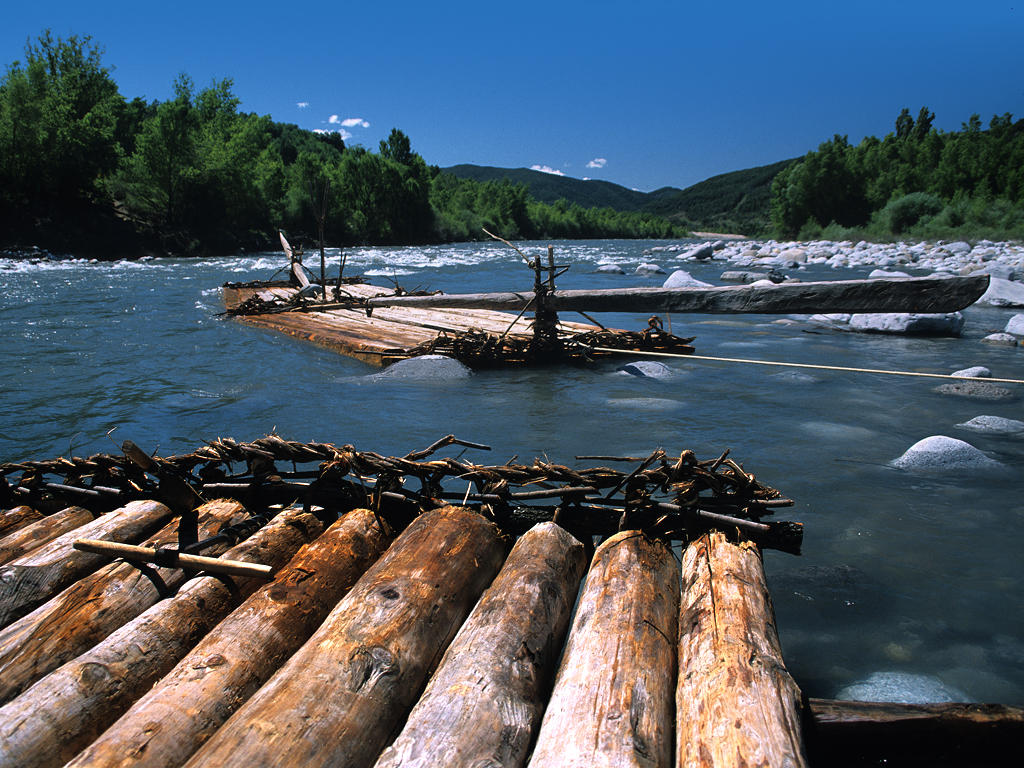
A nabata is a traditional boat that was used for the transport of wooden logs, joining the logs together to form rafts for navigation. This ancestral method, also known as “Timber Rafting”, has been practiced since the Middle Ages in various regions of Europe, including Spain, being an especially noteworthy practice in the Pyrenean rivers.
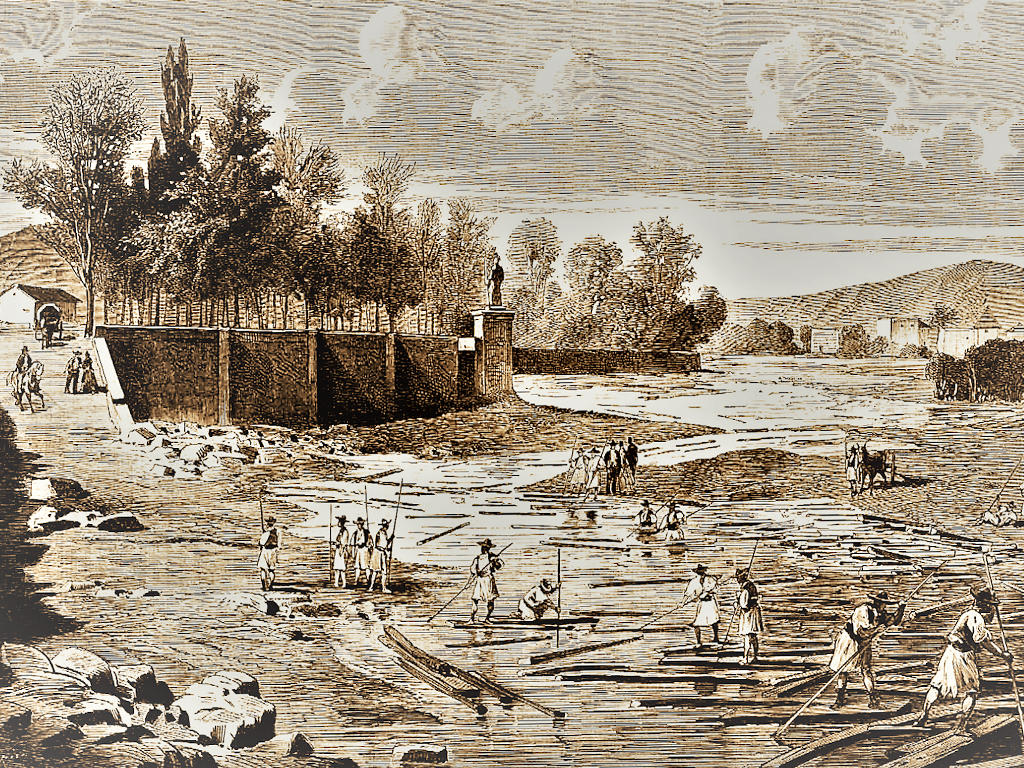
The timber trade and, therefore, its transport, were issues of great importance in the past. Today it is a trade that is no longer in use, extinguished mainly by advances in the transport of goods by road or the proliferation of dams and reservoirs that make it impossible to navigate rivers.
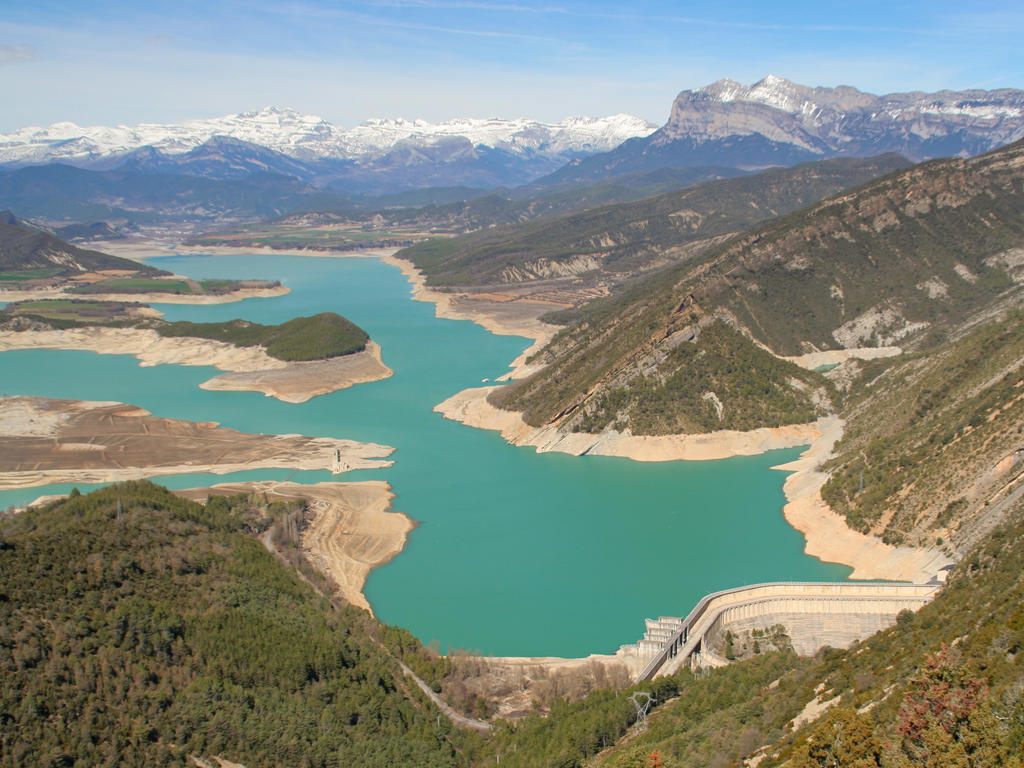
But in earlier times, wood was a resource in enormous demand, for a multitude of industrial purposes or shipbuilding, civil construction, public works, etc. At that time, without the current means or transport networks, using the currents of the rivers was the fastest and most effective method, despite its dangers and difficulties.
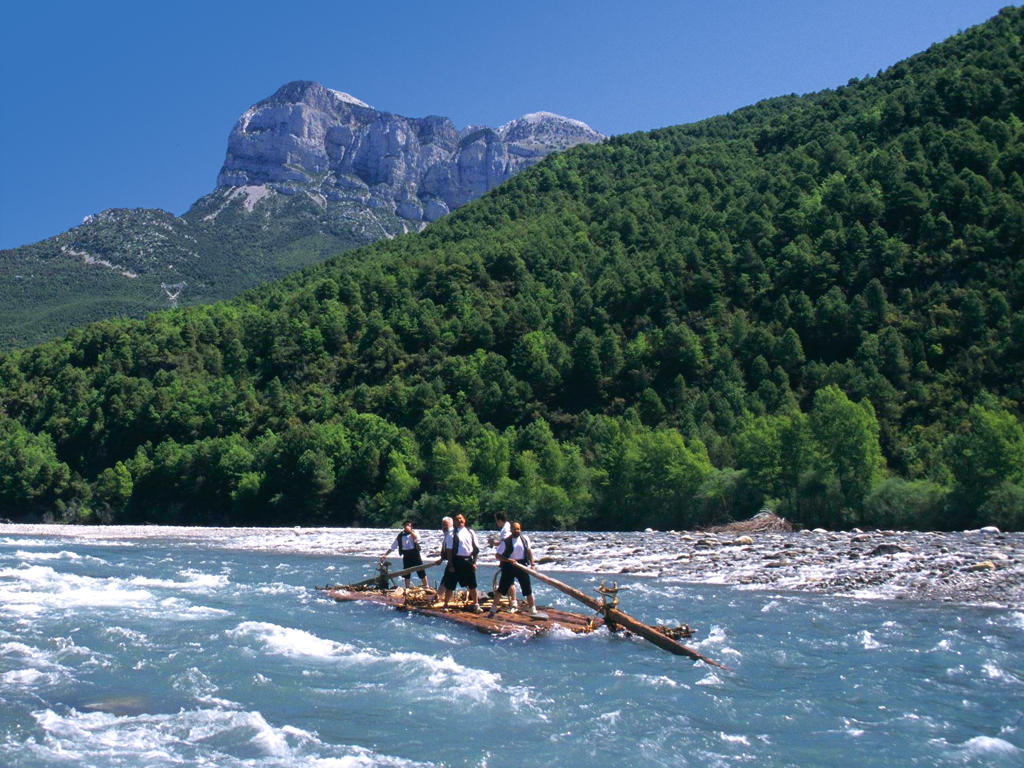
Nabateros, a hard and dangerous trade
To transport the wood by river, the raftsmen needed extensive knowledge and skills for the success of the navigation of the river. From the felling and extraction of the logs from the forests, to the construction of the nabatas and the skill of the nabateros in navigation, everything had to be concise to minimize loss or injury.
Even so, any unforeseen event such as change of currents or dangerous currents, always kept the threshold of uncertainty and possible risk high. In the twentieth century, several nabateros lost their lives in the waters of the Cinca and other rivers in the region.
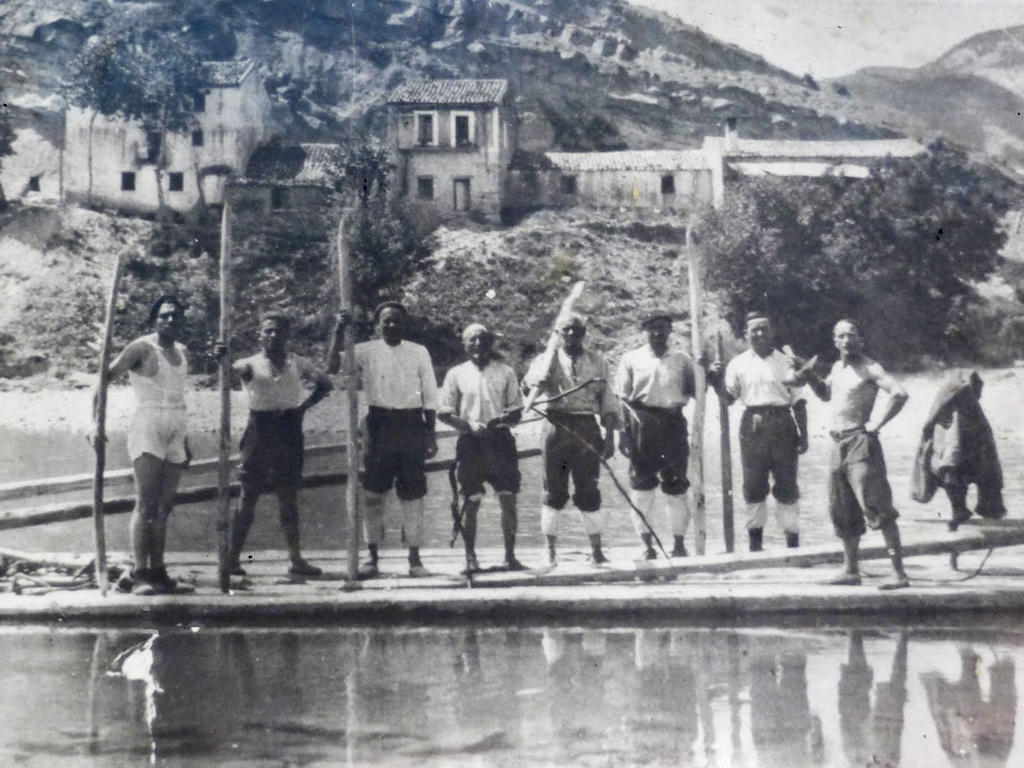
The physical demand, the exhausting days of felling and dragging the logs, the preparation and construction of the timber rafts and the long journey to the destination, were an arduous task that caused fatigue and tension among the men, making this task even more demanding and increasing its danger.
The nabatas and the natural environment
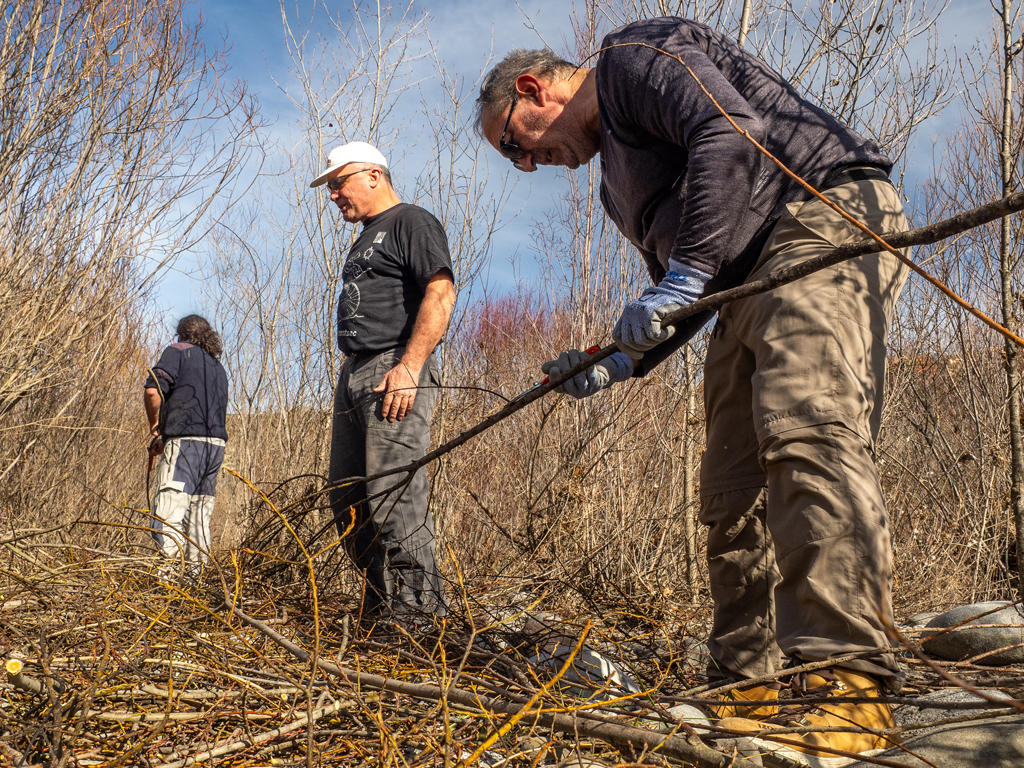
The nabatas are built entirely with materials from the natural environment and the wood to be transported was the same as that which formed the boat.
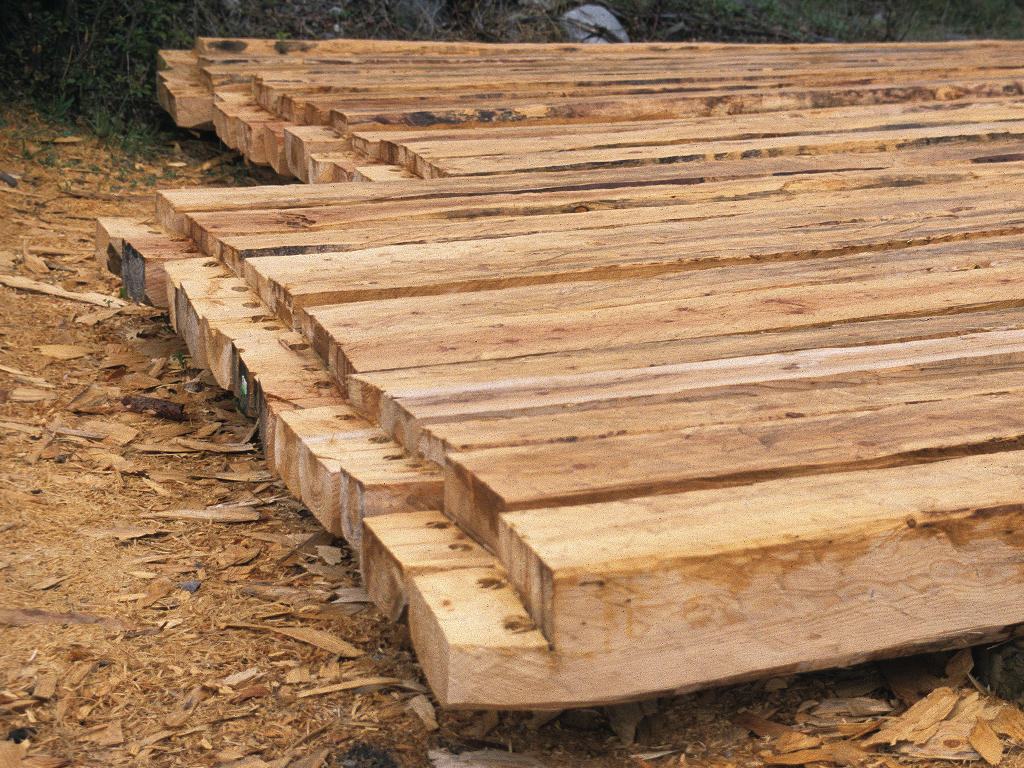
The use of forest resources implied a responsibility that in turn would not diminish that source. Something that seems logical and that we should currently try to put into practice with the same environmental awareness that the Nabateros did, with conscious exploitation and in a fair measure.
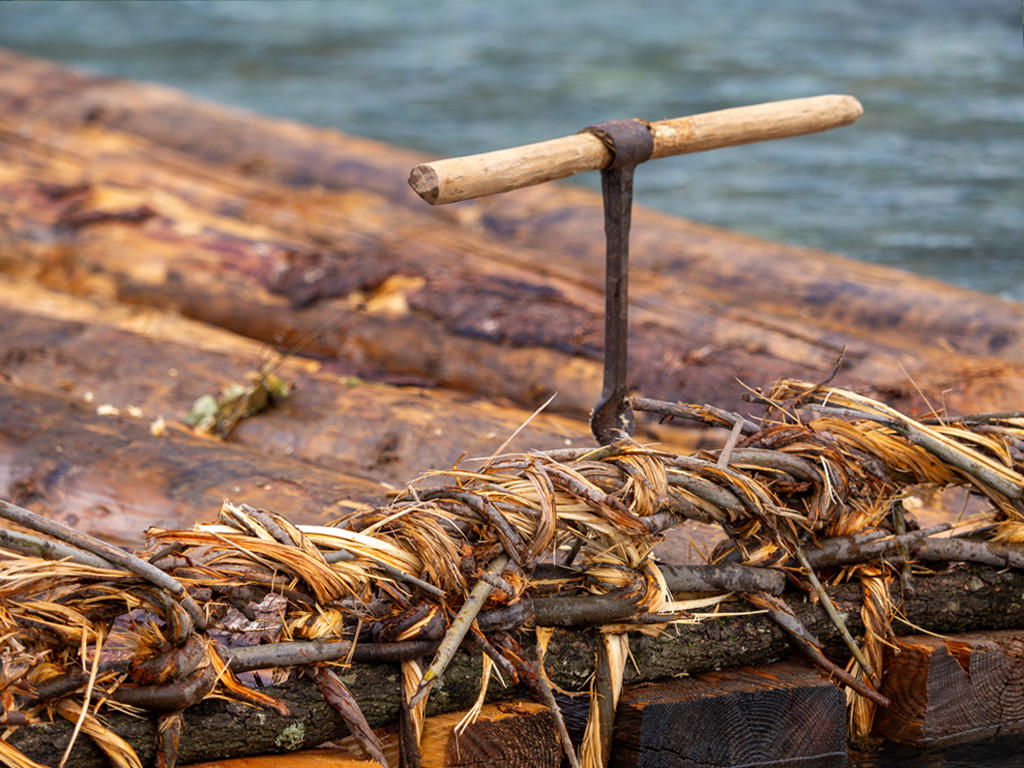
This is another factor that makes the river transport of wood an example of optimisation in the use of natural resources, sustainability and resilience with the rural environment.

Nabatas – Intangible Cultural Heritage
River transport of timber has been included in UNESCO’s List of Intangible Cultural Heritage. This not only honors the history and culture of the communities that have practiced this activity since the Middle Ages, recognizing its historical importance and wide geographical distribution, but also contributes to sustainable development by promoting a responsible use of natural resources and offering opportunities for environmental education and ecotourism.
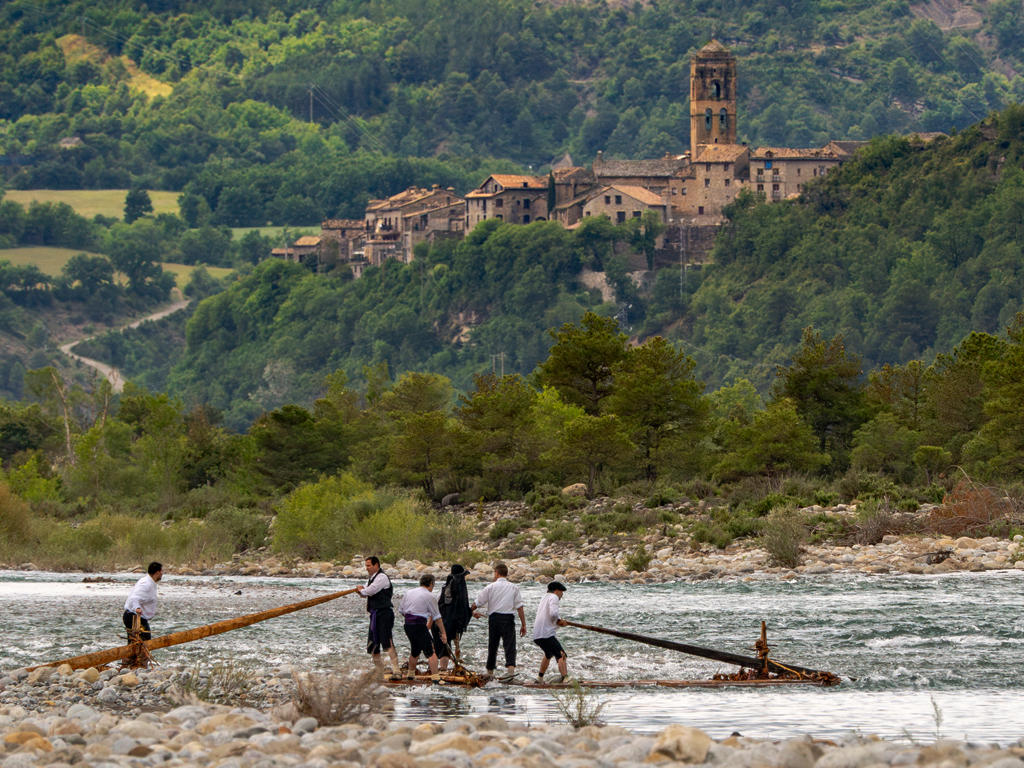
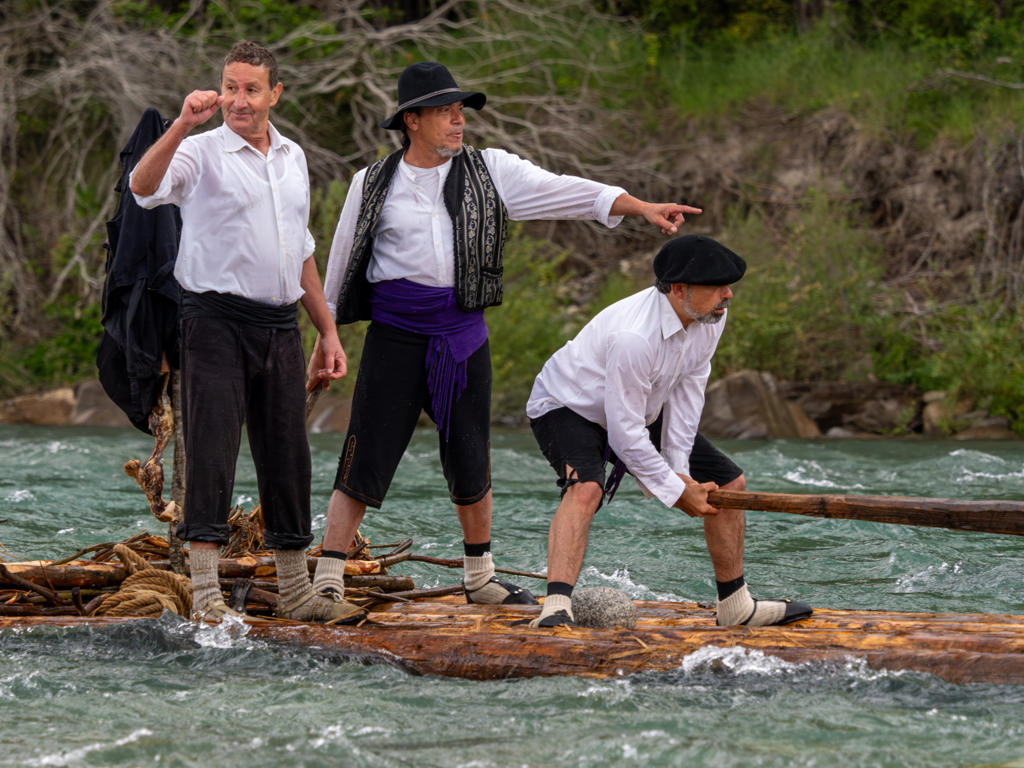
Although the nabatas no longer use rivers in order to transport wood, today many local communities have revitalized this practice by holding events and organizing activities that strengthen their cultural identity. Entities such as the International Association of Timber-Raftsmen (to which the Association of Nabateros de Sobrarbe is attached) work to safeguard this heritage, promoting the exchange of knowledge and its generational transmission.

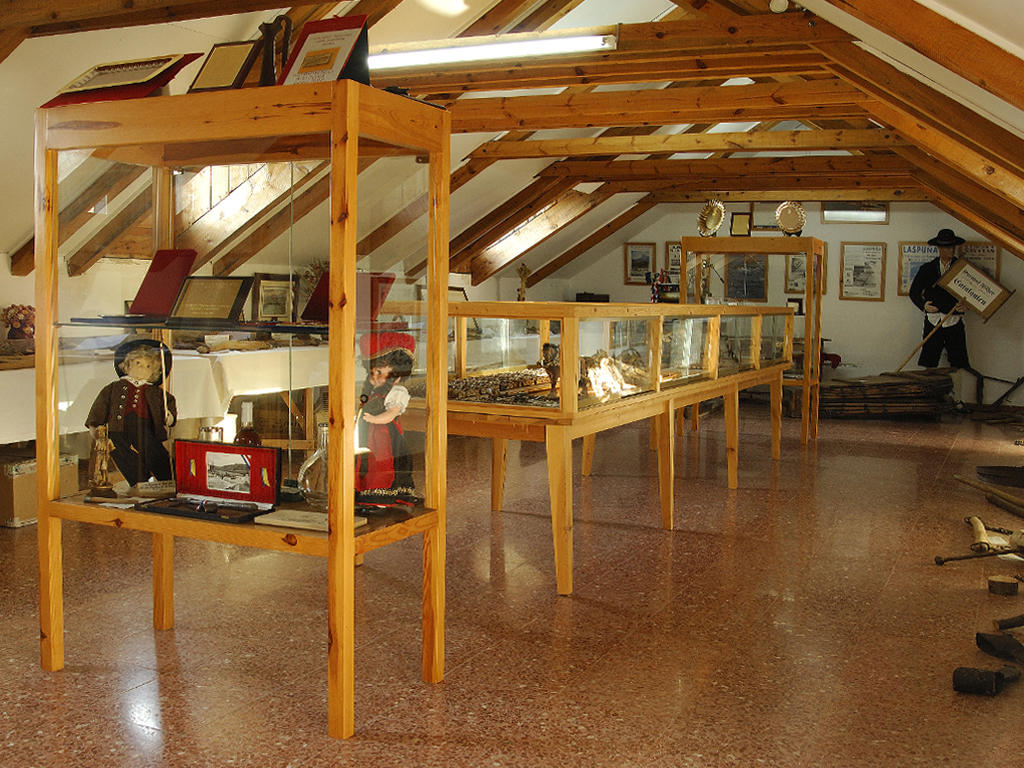
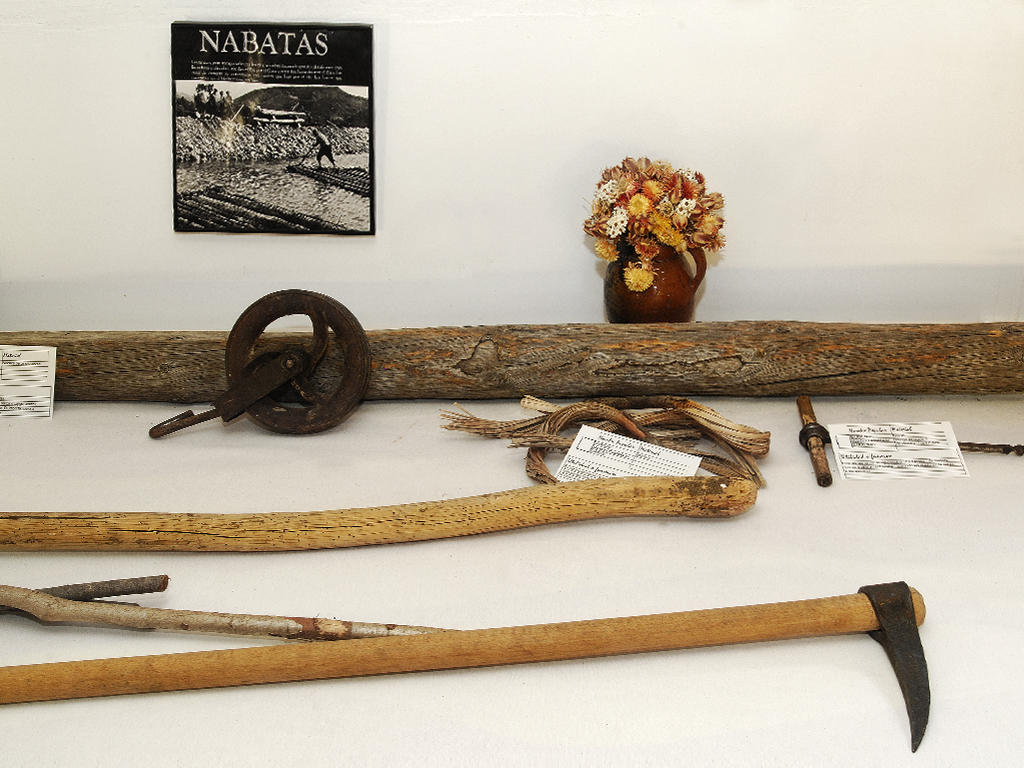
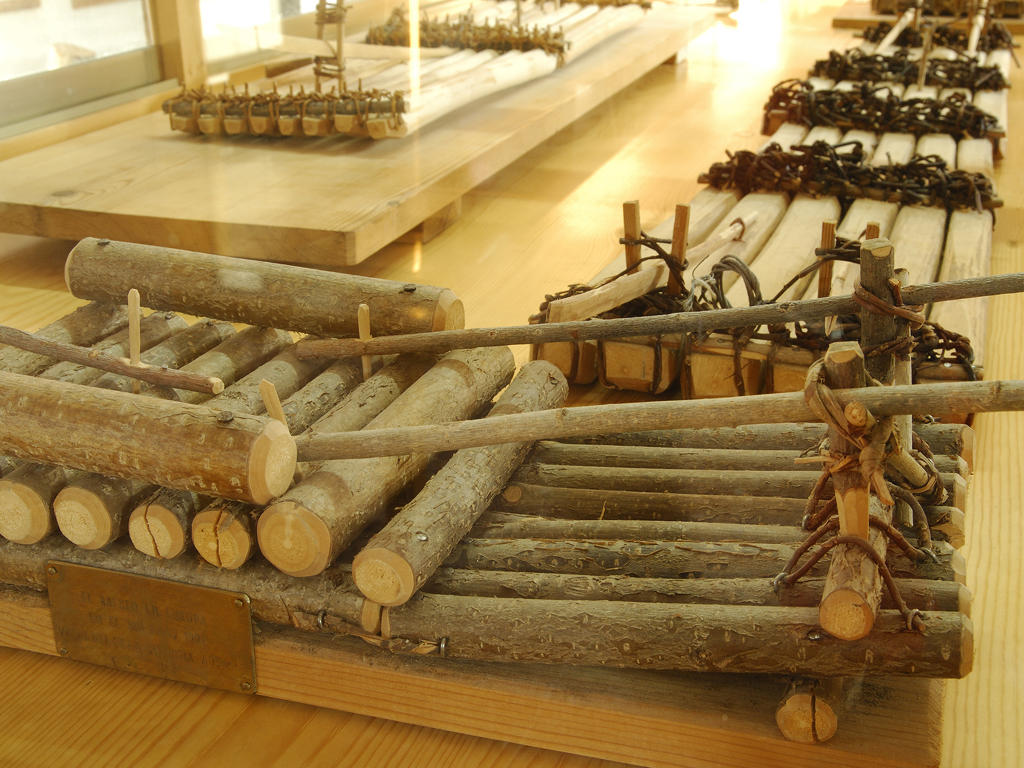
In the Mueso de las Nabatas y la Madera (Museum of timber rafts and wood) in Laspuña, models of different types of nabatas and a wide collection of objects and tools used in the exploitation of wood are exhibited, compiled by the Association of Nabateros of Sobrabe in its national and international meetings.
DIGITAL GUIDE
Created and developed by www.diversus.org